

If you live in a hard water area, you’ve probably seen the effects with limescale in your kettle, stiff laundry, cloudy glassware, and soap that doesn’t lather properly. To counter this problem many homeowners use water softeners which are very effective in removing the calcium and magnesium minerals that cause this buildup.
Both electric and non-electric water softeners are salt-based ion-exchange systems. They use a resin bed to capture hardness minerals and a brine tank filled with salt to regenerate the resin. During regeneration, a saline solution flushes the resin beads, restoring their ability to remove calcium and magnesium.
The main difference between electric and non-electric water softeners lies in how they regenerate. Electric models use timers and electronic controls, while non-electric systems rely on water flow meters or manual operation.
Understanding these differences can help you choose the most suitable water softener for your home, usage patterns, and budget.
Also worth mentioning is the fact that salt-free systems, sometimes sold as water conditioners or descalers, don’t actually remove hardness minerals from the water, but change the molecular state instead to prevent the minerals from sticking to surfaces and forming limescale.
How Electric Water Softeners Work
Electric water softeners use an electronic control valve that automatically manages the regeneration cycle based on your programmed settings. You’ll usually see a digital display showing remaining capacity, salt levels, and system status.
The control unit monitors water usage through flow sensors and calculates when regeneration is needed. Most models are set to regenerate during off-peak times, typically between 2 and 4 AM, when water demand is lowest.
Typical components include the following:
- Digital control head with LCD display
- Electronic flow meter
- Motorised bypass valve
- 240V UK mains power connection
- Battery backup for power cuts
Electric units give you precise control over regeneration, reducing salt consumption and water waste compared to older timer-based systems.
Non-Electric Water Softener Systems
Like electric models, non-electric water softeners are also salt-based ion-exchange systems that use a brine solution to clean and restore the resin bed. The difference is that they work entirely without mains electricity.
Instead, they use mechanical meters or manual controls. The water flow itself triggers regeneration when the resin bed reaches capacity.
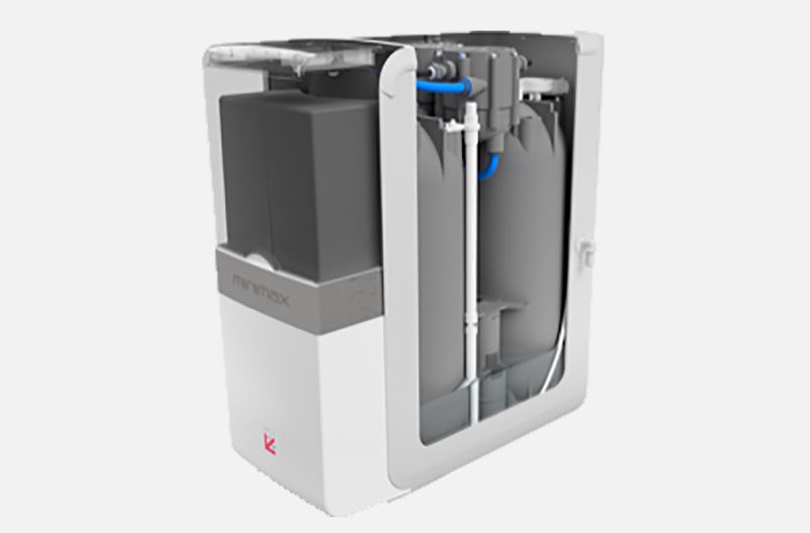
Main types of non-electric systems:
- Metered Systems: Use a mechanical water meter that triggers regeneration after processing a set amount of water.
- Manual Systems: Require you to start regeneration yourself based on water usage or testing results.
- Demand-Initiated Systems: Monitor water quality in real time with sensors that automatically trigger regeneration when needed.
Non-electric softeners are ideal if you live in an area with frequent power cuts or where adding an electrical connection isn’t practical.
Comparing Electric and Non-Electric Performance
When comparing electric vs non-electric water softeners, both types will soften your water effectively if they’re installed and maintained properly. The main differences come down to efficiency, control, and convenience rather than water quality.
Regeneration Efficiency
Electric systems give you greater accuracy by controlling exactly when regeneration happens. They prevent unnecessary cycles and ensure the system regenerates only when needed.
Non-electric metered systems, on the other hand, regenerate based purely on how much water you use. That can make them more efficient for households with unpredictable usage patterns.
Salt and Water Consumption
Electric units usually use less salt and regeneration water because the system calculates precisely how much it needs. Some models even have high-efficiency settings to optimise brine strength and rinse times.
Non-electric systems can use a little more salt and water, particularly older designs without advanced meters. However, a modern non-electric unit that’s correctly set up can achieve similar results.
Maintenance Requirements
Electric softeners make life easier with built-in diagnostics and alerts. You can check salt levels, water usage, and service reminders directly on the display.
Non-electric models are simpler but require you to check salt and performance manually. It’s a good idea to set a routine inspection schedule to keep everything running smoothly.
UK Hard Water Considerations
Water hardness varies significantly across the UK. The Drinking Water Inspectorate reports that the South East experiences the hardest water, often exceeding 300 mg/l of calcium carbonate (CaCO₃).
Regional Hardness Levels
- Very Hard Water (300 mg/l+): London, Essex, Kent, Surrey, Sussex, Bedfordshire, Hertfordshire, Cambridgeshire, parts of Lincolnshire
- Hard Water (200–300 mg/l): Thames Valley, East Midlands, Yorkshire, Norfolk
- Moderate to Soft Water (under 200 mg/l): Scotland, Wales, Northern England, South West England, Northern Ireland
If you live in a very hard water area, installing a water softener will make a noticeable difference to your everyday life with both electric and non-electric systems dramatically reducing limescale buildup, protecting appliances, and improving water quality.

Choosing the Right Size
System size depends on how many people live in your home, your daily water usage, and local water hardness.
Here is a quick guide:
- Small homes (1–2 people): 10–15 litres resin capacity
- Medium homes (3–4 people): 20–25 litres resin capacity
- Large homes (5+ people): 30–40 litres resin capacity
If you manage a commercial property, it’s best to have a professional size the system based on demand patterns and operational schedules.
Installation and Regulations
All water softeners installed in the UK must comply with the Water Supply (Water Fittings) Regulations and your local water company’s bylaws.
Both electric and non-electric systems share similar plumbing requirements but obviously differ when it comes to the power supply.
WRAS Approval
Any softener sold in the UK should carry WRAS approval (Water Regulations Advisory Scheme). This certification ensures the unit is safe and won’t contaminate your mains supply.
To meet WRAS standards all systems must include the following key safety and design features:
- Backflow prevention devices
- Air gaps or check valves
- A bypass for drinking water
- Approved materials for potable water
- Proper sizing for the property’s water demand
Installation Tips
Electric softeners need access to a nearby power supply, and it’s often best to have a qualified electrician connect them safely with RCBO protection.
Non-electric systems don’t require wiring but still need correct plumbing, drain access, and a bypass valve.
Whichever type you choose, it’s best to have it fitted by a qualified professional who understands water treatment regulations and your local water company’s standards. If you’re currently looking to have a water softener installed or need further advice, don’t hesitate to get in touch with us today.
Operating Costs and Efficiency
When comparing costs, think about salt usage, electricity, and maintenance. Regional water hardness will also affect how much salt you use each year.
Salt Use
The average household uses 50–200 kg of salt annually, depending on hardness, water use, and system efficiency.
Electric models with demand-controlled regeneration can save around 20–30% more salt than older timer-based systems.
If your home uses about 500 litres of water daily in a very hard water area, expect to use around 150–200 kg of salt per year. In moderately hard areas, this drops to about 75–100 kg.
Electricity Use
Electric water softeners are very energy efficient. They typically use just 20–50 watts during regeneration, costing less than £20 a year to run.
Non-electric units don’t use any power, but they may need slightly more salt due to less precise regeneration control.
Servicing Costs
Both types need regular salt top-ups and an annual service. Electric systems might occasionally need an electronic part replaced, while non-electric systems rely on mechanical maintenance.
You can expect domestic servicing to cost between £80 and £150 a year, depending on the model and usage.
Choosing the Right System
Deciding between electric vs non-electric water softeners really comes down to your property setup, preferences, and how hands-on you want to be.
Electric Systems Are Ideal If You:
- Have a reliable electricity supply
- Prefer automation and minimal effort
- Want the highest efficiency and control
- Like digital monitoring and reminders
Non-Electric Systems Are Ideal If You:
- Live in an area with unreliable electricity
- Can’t easily install electrical wiring
- Prefer simple, mechanical operation
- Want a lower upfront cost
- Have steady, predictable water usage
For Property Managers
If you’re managing a commercial or multi-unit property, consider factors like peak water demand, maintenance access, and staff training.
Electric systems make monitoring easier and offer better data tracking, but you’ll need backup plans for power cuts. Non-electric units are more self-sufficient but require manual oversight.
Water Quality and Safety
Both electric and non-electric systems must keep treated and untreated water separate. Your kitchen cold tap will usually stay connected to the untreated mains so you can still access mineral-rich drinking water.
Health Points to Note
Softened water naturally contains more sodium. In very hard water areas, with the installation of an electric or non-electric water softener, sodium levels can rise by around 100–200 mg/litre. If you’re on a low-sodium diet, speak to a healthcare professional before any installation. In some cases, scale inhibitors may be a better choice.
Monitoring Water Quality
Electric softeners often include built-in water quality indicators and flow monitors, which make it easy to spot when servicing is needed.
With non-electric units, you’ll need to check manually using hardness test kits or book occasional professional testing to confirm performance.
Future-Proofing Your System
Water softening technology is always improving. Modern electric softeners now include Wi-Fi, app control, and smart-home integration, allowing you to monitor salt levels and regeneration cycles remotely.
Non-electric designs are also advancing, with better metering accuracy and more efficient regeneration methods that preserve their simplicity while boosting performance.
When choosing your system, think about your long-term needs, your comfort with technology, and how much maintenance you’re willing to do yourself.
Choosing the Best Option
Both electric and non-electric salt-based water softeners effectively protect your home from hard water damage.
Electric systems offer smart monitoring, efficiency, and convenience, ideal if you want a “fit and forget” solution.
Non-electric softeners provide simple, reliable operation without needing electricity, making them perfect for rural areas or anyone who prefers manual control.
Whichever you choose, correct sizing, professional installation, and regular servicing will make certain that you get years of reliable performance and noticeably softer water throughout your home.
You’ll enjoy lower energy bills, longer appliance life, and better results every time you clean, wash, or shower.

- UK Water Softener Regulations and Safety Standards: What Every Property Owner Needs to Know in 2026 - December 10, 2025
- Electric vs Non-Electric Water Softeners: A Complete Guide for UK Homeowners and Property Managers - October 23, 2025
- A Water Filter for Home Use vs Bottled Water: Which is Better for UK Households? - July 11, 2025


