
The Complete Guide to Reverse Osmosis Water Systems: Why East Anglia Homeowners Are Making the Switch
After installing water treatment systems across Suffolk, Norfolk, Essex, and Cambridgeshire for over two decades, I’ve seen firsthand how reverse osmosis systems transform homes struggling with poor water quality. These sophisticated filtration systems remove up to 99.9% of contaminants from your tap water, delivering restaurant-quality drinking water straight from your kitchen sink.
Reverse osmosis works like nature’s own filtration process, but accelerated. Water gets pushed through an incredibly fine membrane that blocks virtually everything except pure H2O molecules. The result? Crystal-clear water that tastes better than most bottled varieties, costs pennies per litre, and eliminates the weekly supermarket water runs.
Understanding Reverse Osmosis Technology: How It Actually Works
Picture trying to push muddy water through an ultra-fine sieve that only allows the cleanest molecules through. That’s essentially what reverse osmosis does, except the “sieve” is a semi-permeable membrane with pores smaller than most contaminants.
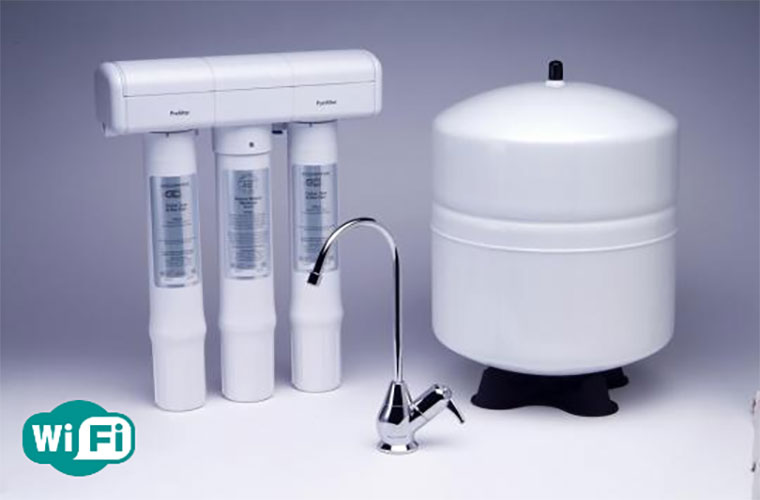
The system forces water through multiple filtration stages under pressure. First, sediment filters catch larger particles like rust and dirt. Next, carbon filters remove chlorine and organic compounds that affect taste. Finally, the RO membrane tackles the microscopic nasties – dissolved salts, heavy metals, bacteria, viruses, and chemical residues.
What makes this technology particularly effective is its physical barrier approach. Unlike chemical treatments that neutralise contaminants, reverse osmosis physically separates them from your drinking water. The rejected contaminants get flushed away as waste water, leaving you with purified water on demand.
During my installations across hard water areas like Chelmsford, Bury St Edmunds, and Cambridge, I consistently see dramatic improvements in water clarity and taste. Customers often comment that their morning coffee tastes completely different – in the best possible way.
Key Benefits of Installing a Reverse Osmosis System
Superior Contaminant Removal
According to recent industry analysis, reverse osmosis systems effectively remove a wide range of contaminants, including heavy metals, chemicals, bacteria, and viruses. https://wycombewater.co.uk/how-reverse-osmosis-works-to-ensure-safe-drinking-water/ This comprehensive filtration capability sets RO apart from basic carbon filters or reverse osmosis water filter systems.
Heavy metals like lead, mercury, and arsenic get blocked by the membrane’s microscopic pores. Chlorine and chloramines – chemicals that water companies add for disinfection but can affect taste – get stripped out completely. Even pharmaceutical residues and pesticides that occasionally slip through municipal treatment get caught.
I’ve tested water before and after RO installation in hundreds of East Anglia homes. The difference in purity readings is consistently remarkable. Total dissolved solids typically drop from 200-400 parts per million down to under 50 ppm.
Dramatic Taste and Odour Improvements
Hard water areas like ours often struggle with metallic tastes, chlorine odours, or earthy flavours. RO systems eliminate these issues entirely. The water tastes neutral and clean – perfect for drinking, cooking, and brewing beverages.
Many of my customers report they actually drink more water after installation. When water tastes this good, staying hydrated becomes effortless rather than a chore. Tea and coffee taste noticeably better too, as the flavours aren’t competing with dissolved minerals and chemicals.
Long-term Cost Savings
While the upfront investment seems significant, RO systems pay for themselves over time. https://www.purechoice.co.uk/blogs/news/the-pros-and-cons-of-installing-a-reverse-osmosis-system-in-your-home A family spending £20-30 monthly on bottled water saves £240-360 annually after installation.
The real savings come from appliance protection and reduced maintenance. Kettles last longer without limescale buildup. Coffee machines need descaling less frequently. Ice makers in American-style fridges stop jamming from mineral deposits.
Comparing Reverse Osmosis to Alternative Water Treatment Options
RO vs Water Softeners: Different Jobs Entirely
Water softeners and reverse osmosis systems solve different problems. Softeners remove calcium and magnesium that cause limescale, protecting your boiler, washing machine, and pipework. RO systems focus on drinking water purity and taste.
Many of my customers benefit from both systems working together. The softener protects the house plumbing and appliances, while the RO system handles drinking and cooking water. This combination gives you the best of both worlds.
For homes with severely hard water above 300 ppm, I often recommend softening the water before it reaches the RO system. This protects the expensive RO membranes from premature fouling and extends their lifespan. Learn more about water softener installation.
RO vs Carbon Filters: Filtration Depth
Basic carbon filters improve taste and remove chlorine, but they can’t match RO’s comprehensive contaminant removal. Carbon filters work well for municipally treated water that tastes poor but is generally safe. RO systems go much deeper, removing dissolved minerals, heavy metals, and microscopic organisms.
Carbon filters also saturate over time and can become breeding grounds for bacteria if not changed regularly. RO systems continuously flush contaminants away, maintaining consistent performance between service visits.
Installation Considerations for East Anglia Properties
Space and Plumbing Requirements
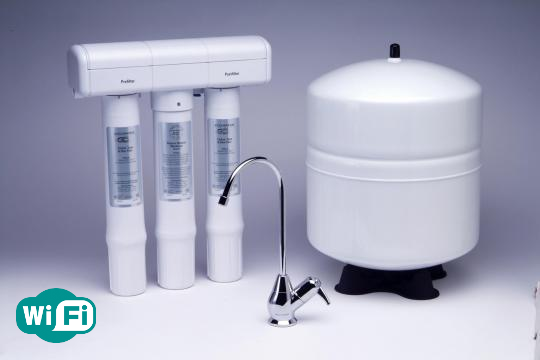
Most RO systems install under your kitchen sink, requiring about the same space as a small toolbox. The system needs a cold water connection, drain access, and usually a dedicated tap for the purified water. If you’re comparing filtration options, see under-sink vs whole house water filter systems.
Victorian and Edwardian properties common across our region sometimes present plumbing challenges. Older lead pipes or unusual configurations might require additional work during installation. I always conduct thorough site surveys to identify any complications before installation day.
Modern homes typically accommodate RO systems easily. The main consideration is positioning the storage tank and system components for convenient future maintenance access.
Water Pressure and Flow Considerations
RO systems need adequate water pressure to function properly – typically 40-60 psi minimum. Most properties in our area have sufficient mains pressure, but I check this during every survey.
The filtration process produces water more slowly than your regular tap – usually 1-2 litres per minute. The storage tank compensates for this, holding 8-12 litres of purified water ready for immediate use. For large families or high usage, larger tanks are available.
Maintenance and Running Costs
Professional maintenance keeps RO systems performing optimally. Filter changes happen every 6-12 months depending on usage and water quality. The RO membrane typically lasts 2-3 years with proper care.
Annual running costs including filters and professional servicing typically range from £100-150 for residential systems. This covers pre-filters, post-filters, membrane replacement when needed, and annual sanitisation.
Regular maintenance prevents problems and maintains water quality. I’ve seen neglected systems that produce poor-tasting water or develop bacterial growth. Professional servicing prevents these issues entirely.
Addressing Common Concerns About RO Systems
Water Waste and Environmental Impact
RO systems do produce waste water during filtration – typically 3-4 litres of reject water for every litre of purified water. This concerns environmentally conscious customers initially.
However, the environmental impact often balances out when you eliminate plastic bottle waste. A family drinking 20 litres of bottled water weekly prevents over 1,000 plastic bottles annually from entering the waste stream.
The reject water isn’t actually “waste” either – it’s just your original tap water with concentrated minerals. Many customers use it for garden watering or household cleaning.
Mineral Removal Concerns
RO systems remove beneficial minerals along with contaminants. Some customers worry about losing calcium and magnesium from their drinking water. The health impact of this mineral removal remains debated among professionals.
Most nutrition experts agree that we get the majority of our minerals from food rather than drinking water. A balanced diet easily compensates for any minerals removed during filtration.
For customers concerned about minerals, I sometimes recommend remineralisation filters that add back specific minerals after RO treatment. These provide the purity benefits of RO while addressing mineral concerns.
System Reliability and Longevity
Quality RO systems last 15-20 years with proper maintenance. The main components – pumps, valves, and housings – are built for long-term operation. Only the consumable filters and membranes need regular replacement.
I still service systems I installed 15 years ago that continue performing excellently. The key is using quality components initially and maintaining them properly throughout their lifespan.
Choosing the Right RO System for Your Home
Sizing and Capacity Planning
System sizing depends on your household’s drinking and cooking water usage. A typical family of four uses 15-20 litres of purified water daily for drinking, cooking, and beverage preparation.
Undersized systems struggle to keep up with demand, leading to empty storage tanks during peak usage. Oversized systems waste space and money without providing additional benefits. Proper sizing requires understanding your actual usage patterns.
I evaluate each family’s needs during the survey process. Large families, home offices, or customers who entertain frequently might benefit from higher-capacity systems or additional storage.
Quality Considerations and Brand Selection
The RO membrane is the heart of any system, and quality varies significantly between manufacturers. Premium membranes from established manufacturers consistently outperform cheaper alternatives in both performance and longevity.
https://www.frizzlife.co.uk/blogs/news/benefits-of-reverse-osmosis-water Systems that can remove as much as 99.9% of contaminants require quality components throughout the filtration train. Cheap housings crack under pressure. Poor-quality valves fail prematurely.
My independence from any single manufacturer allows me to specify the best components for each installation. I match system quality and features to customer needs and budget rather than pushing whatever I happen to stock.
Professional Installation vs DIY Considerations
Why Professional Installation Matters
RO systems involve pressurised water connections, drainage, and sometimes electrical work for UV lights or pumps. Mistakes during DIY installation can cause water damage, void warranties, or create health risks from improper sanitisation.
Professional installation includes proper system sizing, optimal component positioning, thorough testing, and customer training on operation and maintenance. I provide written documentation of all settings and maintenance schedules.
Many manufacturers void warranties on DIY installations. Professional installation protects your investment and provides ongoing support when questions arise.
Installation Process and Timeline
Professional installation typically takes 2-4 hours depending on site conditions and system complexity. I arrive with all necessary components, tools, and testing equipment to complete the job in one visit.
The process includes shutting off water supplies, making plumbing connections, mounting components, initial system startup, thorough testing, and customer demonstration. I don’t leave until you’re completely comfortable operating your new system.
Post-installation support includes answering questions, scheduling first filter changes, and providing emergency contact information for any concerns.
Real-World Performance in East Anglia
Local Water Quality Challenges
Our region’s water varies significantly by supplier and source. Essex water often comes from chalk aquifers with high mineral content. Norfolk’s water might originate from boreholes with iron staining issues. Cambridgeshire deals with agricultural runoff concerns.
RO systems handle all these regional variations effectively. Whether your water is hard, iron-stained, chlorine-heavy, or tastes earthy from algae blooms, reverse osmosis delivers consistent results year-round.
I’ve installed systems that transform genuinely unpalatable water into something customers prefer over premium bottled brands. The technology is that effective when properly applied.
Customer Success Stories
One Cambridge customer had water so high in minerals that kettles needed daily cleaning. After RO installation, their appliances stay clean for months. Their children actually drink water now instead of refusing it.
A Norfolk family with a private borehole struggled with iron staining and bacterial concerns. RO eliminated both issues completely, giving them confidence in their water safety while eliminating the metallic taste they’d endured for years.
These transformations happen regularly across our service area. RO technology consistently delivers results that exceed customer expectations when systems are properly specified and installed.
Making the Investment Decision
Cost-Benefit Analysis
Quality under-sink RO systems typically cost £800-1,500 including professional installation. Annual operating costs add another £100-150 for filters and maintenance. Over a 15-year system life, total costs average £150-200 annually.
Compare this to bottled water at £1-2 per litre, or £365-730 annually for a family drinking just one litre daily each. The financial case becomes compelling quickly, especially for larger families or higher consumption.
The intangible benefits – convenience, taste improvement, environmental impact reduction – add value that’s difficult to quantify but genuinely appreciated by customers daily.
Return on Investment Timeline
Most families reach break-even within 2-3 years of installation when replacing bottled water purchases. Homes using delivery services or premium brands break even even faster.
The real value accumulates over the system’s full lifespan. Year four onwards represent pure savings plus the ongoing convenience and quality benefits. Many customers tell me they can’t imagine returning to their previous water situation.
Professional Maintenance and Support
Ongoing Service Requirements
RO systems need regular filter changes to maintain performance and water quality. Sediment and carbon pre-filters typically need replacement every 6-12 months. The RO membrane lasts 2-3 years under normal conditions.
I provide detailed maintenance schedules and proactive service reminders to all customers. This prevents performance degradation and maintains warranty coverage throughout the system’s life.
Annual sanitisation cleans the entire system and storage tank, preventing bacterial growth and maintaining optimal taste. This professional service takes about an hour and includes complete system testing.
Troubleshooting Common Issues
Decreased water production usually indicates filter saturation or membrane fouling. Taste changes might suggest filter breakthrough or bacterial growth. Unusual noises often point to pump or valve problems.
My customers have direct access for troubleshooting support. Most issues resolve quickly with phone guidance. For complex problems, I prioritise service calls to restore your water quality rapidly.
Preventive maintenance prevents most problems entirely. Well-maintained systems rarely experience unexpected failures or water quality issues.
Future Considerations and Technology Developments
Smart System Integration
Modern RO systems increasingly incorporate smart monitoring that tracks filter life, water quality, and system performance. These systems send alerts when maintenance is due or performance drops.
WiFi connectivity allows remote monitoring and diagnostics. I can often identify developing problems before they affect your water quality or require emergency service calls.
These smart features add convenience and peace of mind, especially for busy families or customers who travel frequently.
Efficiency Improvements
Newer RO systems waste less water than older designs. Advanced membrane technologies and system designs are reducing the reject water ratio while maintaining excellent filtration performance.
Some systems now include permeate pumps that boost efficiency and reduce waste water by up to 75%. These advances make RO systems increasingly environmentally friendly.
Getting Started with Reverse Osmosis
The first step is understanding your current water quality and specific concerns. I provide comprehensive water testing and analysis as part of every consultation. This identifies exactly which contaminants need removal and helps size the appropriate system.
Site surveys evaluate your plumbing, space constraints, and installation requirements. This prevents surprises on installation day and allows accurate project planning and pricing.
My approach prioritises finding the right solution for your specific situation rather than selling any particular product. This independent guidance has built my reputation across East Anglia over the past two decades.
For homeowners and small businesses struggling with poor water quality, reverse osmosis offers a permanent solution that delivers results from day one. The technology is proven, reliable, and cost-effective when properly applied to your specific circumstances.
The investment in clean, great-tasting water pays dividends daily in convenience, health confidence, and quality of life improvements. After twenty years of installations, I’ve never had a customer regret choosing properly specified and professionally installed RO filtration.

- Top 5 Water Softener Models In The UK: An Installer’s Honest View - April 5, 2026
- Reverse osmosis water system benefits - February 4, 2026


